
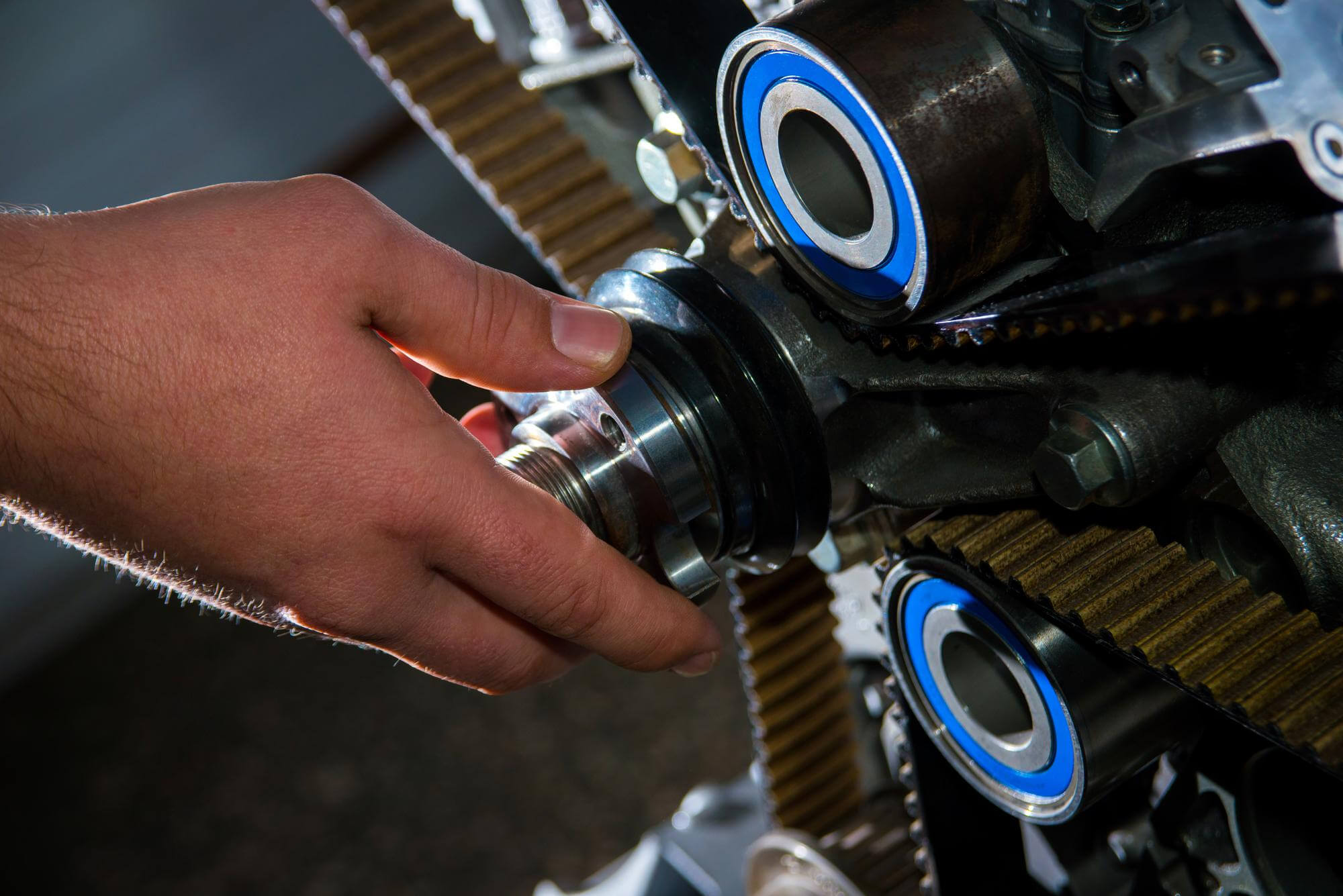
Your car has many parts that work together to keep it running. But some parts are more important than others. The timing belt is one of those parts that you cannot ignore. If it breaks while you are driving, your engine could be damaged beyond repair. This is not something to take lightly.
Many drivers in Brooklyn do not think about their timing belt until something goes wrong. By then, the repair bill can be thousands of dollars. The good news is that there are warning signs your car gives you before the belt fails. You just need to know what to look for.
What Does the Timing Belt Actually Do?
Before we talk about replacement, let us understand what this part does. The timing belt connects your engine’s camshaft and crankshaft. It keeps these two parts moving in perfect sync so your engine valves open and close at the right time. Without proper timing, your engine cannot run at all.
Think about it like this. Your engine has pistons that move up and down. It also has valves that open and close to let air and fuel in. If these two things do not work together at the exact right moment, they crash into each other. That crash destroys your engine.
Some interesting facts about timing belts:
- Most timing belts are made of rubber with fiber cords inside for strength
- They can stretch and wear out over time due to heat and friction from daily driving
- Around 1 in 10 cars on the road has a timing belt that needs replacement right now
- The average cost of engine damage from a broken belt ranges from $3,000 to $5,000
- Replacing the belt before it breaks costs only $500 to $1,000 in most cases
This is why timing belt replacement in Brooklyn is something every car owner should keep on their radar.
Warning Signs Your Timing Belt Is Failing
Your car talks to you through sounds, smells, and behaviors. Here are the signs that tell you the timing belt needs attention soon.
Ticking Noise from the Engine
When the timing belt starts wearing out, you might hear a ticking or clicking sound coming from under the hood. This noise comes from the belt not gripping the pulleys properly anymore. The belt has teeth on it that fit into grooves on the pulleys. When these teeth wear down, they slip and make noise. If you hear this sound during startup or while idling, do not wait to get it checked by a professional.
Engine Misfires and Runs Rough
A worn timing belt can slip on the camshaft drive. This causes your engine cylinders to open and close at the wrong times. You will notice your engine running rough or misfiring when you accelerate. This puts extra stress on other engine parts and can cause more damage over time. Some drivers describe this as the car shaking or hesitating when they press the gas pedal.
Oil Leaking Near the Front of Motor
The timing belt sits behind a cover that has gaskets and seals. These gaskets can wear out and crack over time. If you see oil leaking from the front of your engine near the bottom, the timing belt area might be the source. Oil can also get on the belt itself and cause it to wear much faster than normal. Check your driveway or parking spot for oil stains in the morning.
Engine Will Not Turn Over at All
If your timing belt breaks completely, your engine will not start. You will hear the starter motor trying to work, but the engine will not catch or fire up. At this point, you are already looking at expensive repairs because damage has likely occurred. The pistons keep moving but the valves stop at the wrong position. This is when metal hits metal inside your engine.
Unusual Exhaust Smoke
When the timing is off even a little bit, your engine burns fuel in the wrong way. This creates more smoke than normal from your exhaust pipe. If you notice thick smoke or unusual colors in your exhaust, get your car checked right away. Blue smoke means oil burning, white smoke can mean coolant issues, and black smoke often points to timing problems.
Check Engine Light Comes On
Modern cars have sensors that monitor engine performance. When the timing belt causes problems, your check engine light will often come on. A mechanic can read the error codes to see if timing related issues triggered the warning. Do not ignore this light because it is your car asking for help.
When Should You Replace the Timing Belt?
Most car manufacturers recommend timing belt replacement in Brooklyn between 60,000 and 100,000 miles. But this depends on your specific vehicle make and model. Check your owner’s manual for the exact interval that applies to your car. Some European cars need replacement at 40,000 miles while some Japanese cars can go 105,000 miles.
Here are some factors that affect timing belt life:
- Driving conditions matter a lot: stop and go traffic wears belts faster than highway driving
- Climate plays a role: extreme heat in summer and cold in winter affect rubber belts
- Vehicle age is important: older belts become brittle and crack even with low miles on them
- If the car sat unused for years, the belt might be damaged from dry rot
- Oil and coolant leaks: fluids on the belt break down the rubber material quickly
Many Brooklyn drivers need timing belt replacement in Brooklyn sooner than expected because of city driving conditions. All that stopping and starting at traffic lights takes a real toll on engine parts. The heat from sitting in traffic also wears down rubber components faster than normal.
What Happens If You Ignore the Warning Signs?
Ignoring a failing timing belt is one of the most expensive mistakes you can make with your car. When the belt breaks, the results depend on what type of engine you have.
Interference Engines
Most modern cars have interference engines. This means the pistons and valves share the same space at different times. When the belt breaks, the pistons keep moving but the valves stop. They crash into each other with incredible force. This bends valves, cracks pistons, and can even damage the cylinder head. Repair costs often exceed $4,000 or more.
Non-Interference Engines
Some older cars have non-interference engines where the parts have more clearance. If the belt breaks, the engine just stops running. You still need a tow truck and belt replacement, but there is usually no internal damage. These engines are less common now but still exist in some vehicles.
The Cost of Prevention vs Repair
Let us talk about real numbers that matter to your wallet.
- Timing belt replacement cost: $500 to $1,000 for most vehicles
- Engine repair after belt breaks: $3,000 to $5,000 or higher
- Complete engine replacement: $4,000 to $8,000 depending on the car
The math is simple here. Spending a few hundred dollars on prevention saves you thousands later. Many drivers put off this repair because their car seems to run fine. But timing belts do not give much warning before they snap completely.
Brooklyn roads are tough on cars. Potholes, traffic, and extreme weather all contribute to faster wear on engine components. Getting timing belt replacement in Brooklyn at the right time protects your investment in your vehicle.
Do Not Wait Until Something Goes Wrong
We see it happen too often. A driver brings in their car after the belt broke on the highway. They thought they could push it a few more months. Now they face a repair bill that costs more than their car is worth. This situation is heartbreaking because it could have been avoided with simple maintenance.
Your car depends on you to take care of it. The timing belt does its job quietly until it cannot anymore. By the time you notice something wrong, damage may have already started inside your engine.
At A1 Auto Repair Shop Brooklyn, our team handles timing belt replacement in Brooklyn every single week. We know Brooklyn cars and we know Brooklyn roads. We understand what your vehicle goes through on these streets every day. Our mechanics can inspect your timing belt and tell you honestly how much life it has left.