
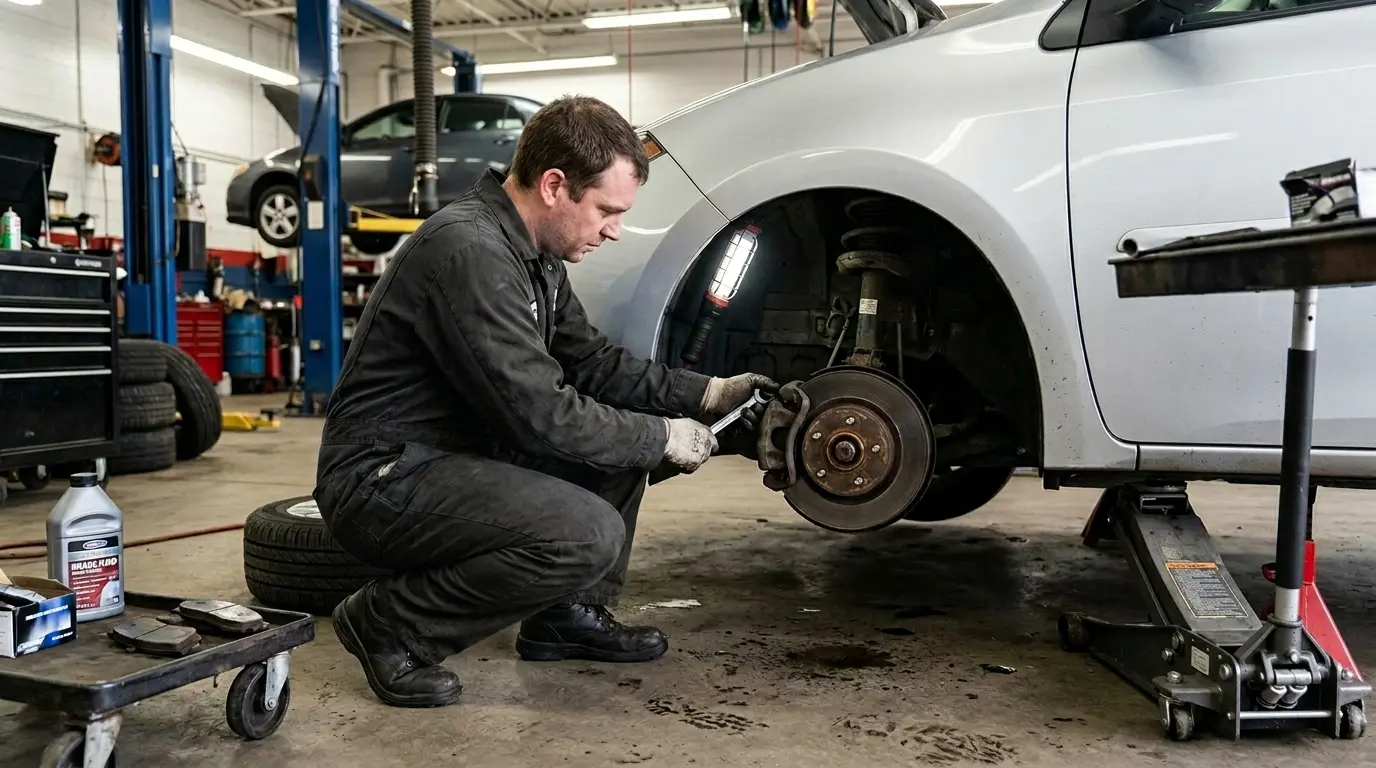
Most common car repairs take anywhere from 30 minutes to several days, depending on the type of repair, vehicle model, parts availability, and the overall condition of the car. Simple services such as oil changes, tire rotations, and brake pad replacements can often be completed within a few hours, while major repairs involving the engine, transmission, or electrical system may require multiple days.
If you’re scheduling auto repair in Brooklyn, understanding realistic repair timelines can help you plan your day, avoid unexpected disruptions, and choose a repair shop that values efficiency and clear communication. While every vehicle and repair situation is different, knowing what to expect can prevent frustration and help you make informed decisions when your car needs service.
In this guide, we’ll break down how long common car repairs typically take, what factors can affect repair times, and when delays may indicate a more serious issue. Whether you’re dealing with routine maintenance or an unexpected breakdown, this information will help you better understand the repair process and get back on the road with confidence.
Why Repair Timelines Often Vary
Many vehicle owners expect every repair to follow a fixed schedule. In reality, mechanics often uncover additional issues once they begin working on the car. A simple brake job may reveal damaged rotors. A coolant leak could expose a failing water pump. These discoveries extend repair times because the technician must fix the root problem rather than the visible symptom.
Modern vehicles also contain advanced electronics and tightly packed engine bays. Mechanics spend more time diagnosing problems than they did years ago. Even reaching certain parts may require removing several components first.
Parts availability also plays a major role. A routine repair may finish the same day if the shop already stocks the needed parts. If the repair requires a specialty component, the timeline can stretch by days.
Good repair shops explain these possibilities upfront instead of giving unrealistic promises.
Read More:
Common Car Repairs and Their Timeline
Oil Changes Usually Take 30 to 60 Minutes
An oil change ranks among the fastest automotive services. Most professional shops complete it within an hour. The process involves draining old oil, replacing the oil filter, and adding fresh oil.
However, several factors can increase the wait time. Some luxury vehicles require specialized oil or filters. Shops may also inspect tires, brakes, fluids, and belts during the appointment. If they discover additional maintenance concerns, the visit naturally takes longer.
Drivers who schedule appointments instead of walking in often experience much faster service. Busy weekends usually create longer wait times, especially at high-volume repair centers.
Brake Repairs Normally Take One to Three Hours
Brake service timelines depend on the exact repair. Replacing brake pads often takes around one hour per axle. If the mechanic also replaces rotors, the job may require closer to two or three hours.
Brake caliper replacement usually adds more time because the system may need bleeding afterward. Rusted components can also slow the process, especially in older vehicles exposed to winter road salt.
You should never rush brake work. Your braking system directly affects your safety on the road. Skilled technicians inspect the full system before returning the vehicle to you.
If a shop promises a complete brake overhaul in an unrealistically short timeframe, that should raise concerns about the quality of the work.
Battery Replacement Takes Less Than an Hour
Most battery replacements finish quickly. In many cases, technicians complete the job in 15 to 30 minutes. The mechanic removes the old battery, tests the charging system, installs the new battery, and verifies proper voltage.
Some newer vehicles require battery registration or computer resets after installation. That extra programming can slightly increase labor time.
Corroded terminals or difficult battery locations may also add complications. Certain vehicles place the battery under seats, in wheel wells, or beneath multiple covers, making access harder than expected.
Tire Repairs and Replacements Move Quickly
A simple tire patch generally takes about 30 minutes. Full tire replacements often require 45 minutes to an hour for a complete set, including balancing and installation.
Wheel alignments usually add another hour. If suspension components show excessive wear, the mechanic may recommend additional repairs before performing the alignment.
Drivers often underestimate how much proper tire service affects handling, fuel economy, and safety. Fast service matters, but precise balancing and alignment matter even more.
Alternator Replacement Often Takes Two to Four Hours
The alternator powers your vehicle’s electrical systems and charges the battery while the engine runs. Replacing it usually takes a few hours, though the exact time depends heavily on vehicle design.
Some alternators sit near the top of the engine and allow easy access. Others hide beneath multiple components, forcing mechanics to remove belts, hoses, or brackets first.
Technicians also test the charging system before and after installation to ensure the alternator actually caused the issue. A weak battery or damaged wiring can create similar symptoms.
Drivers sometimes mistake alternator failure for battery problems because both can cause starting issues and electrical malfunctions.
Starter Motor Repairs Typically Take One to Three Hours
A failing starter often creates clicking noises or intermittent starting problems. Replacing the starter motor usually takes a few hours.
Like alternators, starter placement affects labor time significantly. Some vehicles offer easy access, while others require extensive disassembly.
Experienced mechanics also inspect related electrical connections and test the ignition system during the repair. Replacing the starter without addressing the underlying electrical problems can lead to repeated failures.
Radiator and Cooling System Repairs Require More Time
Cooling system repairs vary widely in complexity. Replacing a radiator may take two to five hours, depending on the vehicle. Water pump replacements often require even more labor because technicians may need to remove timing components or drive belts.
Coolant leaks sometimes appear simple at first but spread across multiple areas. Mechanics must pressure test the system to locate the exact source of the leak.
Overheating problems demand careful diagnosis because several components work together within the cooling system. Rushing these repairs often leads to recurring issues and expensive engine damage later.
Transmission Repairs Can Take Days
Transmission repairs rank among the most time-consuming automotive services. Minor repairs or fluid changes may be finished within a few hours. Major transmission rebuilds or replacements can take several days.
Technicians often need extensive diagnostic testing before beginning repairs. Modern transmissions rely heavily on electronic controls, sensors, and software.
Some transmission issues also require road testing after repairs to confirm proper shifting performance. Shops that prioritize quality spend additional time verifying everything before releasing the vehicle.
Because transmission work involves high labor costs and technical complexity, drivers should always choose experienced professionals instead of chasing the cheapest option.
Engine Diagnostics Often Take Longer Than Expected
Many drivers feel frustrated when a mechanic spends hours diagnosing a problem before starting repairs. However, diagnostics form one of the most important parts of modern automotive service.
A check engine light alone does not identify the exact problem. Fault codes only point technicians toward a system or area requiring inspection.
Mechanics may perform computer scans, smoke tests, electrical testing, compression tests, or road tests to confirm the root issue. Proper diagnostics can take one to several hours, depending on the symptoms.
Accurate diagnosis prevents unnecessary repairs and saves money over time.
Suspension Repairs Depend on the Damage
Replacing shocks or struts usually takes two to four hours. More extensive suspension work involving control arms, ball joints, or steering components may require most of the day.
Suspension systems affect ride comfort, handling, tire wear, and safety. Technicians must inspect alignment angles carefully after completing repairs.
Rust, seized bolts, and worn bushings often complicate suspension jobs. Older vehicles especially, tend to create longer labor times because components become difficult to remove safely.
Also Read:
A1 Auto Repair Shop Brooklyn – We Value Speed and Quality
Every driver wants fast auto repair in Brooklyn, but speed alone should never become the main goal. Skilled technicians balance efficiency with precision. They diagnose accurately, communicate clearly, and complete repairs correctly the first time.
If you need dependable automotive service, trust A1 Auto Repair Shop Brooklyn for expert diagnostics, quality workmanship, and reliable turnaround times. Whether your vehicle needs brake service, engine diagnostics, transmission repairs, or routine maintenance, our team works hard to get you back on the road safely without unnecessary delays.
Choosing the right repair shop does more than save time. It protects your vehicle, your wallet, and your peace of mind.
Frequently Asked Questions
How long does a brake repair usually take?
Most brake repairs take between 1 and 3 hours, depending on whether only the brake pads need replacement or if the rotors and calipers also require service. A professional auto repair in Brooklyn shop can provide a more accurate estimate after inspection.
How long does an oil change take?
A standard oil change typically takes 30 to 60 minutes. However, wait times may vary based on shop workload, vehicle type, and whether additional maintenance services are needed.
Why is my car repair taking longer than expected?
Car repairs can take longer due to parts availability, hidden damage, diagnostic challenges, or additional repairs discovered during the inspection process. Reputable auto repair shops keep customers informed about any delays.
How long does it take to replace a car battery?
Most car battery replacements take 15 to 30 minutes. If corrosion, electrical issues, or battery registration is required, the service may take slightly longer.
How can I tell if an auto repair shop is delaying my repair?
A trustworthy auto repair in Brooklyn facility should provide clear timelines, regular updates, and explanations for any delays. Lack of communication or repeated unexplained extensions may be a sign to ask for more details.