
You’re driving down the street. Everything seems fine. Then you tap the brakes and hear it. That high-pitched squeal that makes everyone on the sidewalk turn and look.
It’s embarrassing. It’s annoying. And deep down, you’re wondering if something is seriously wrong with your car.
Squeaky brakes are one of the most common complaints drivers have. Sometimes the noise is harmless. Other times, it’s a warning sign that something needs attention right away. The tricky part is knowing the difference.
If you’ve been hearing that sound and searching for brake repair in Brooklyn, understanding what causes the noise can help you figure out your next step.
Worn Brake Pads
This is the most common reason brakes squeak. Brake pads have a built-in wear indicator. It’s a small metal tab that touches the rotor when the pads get too thin. That contact creates a squealing sound on purpose.
Think of it as your car’s way of telling you the pads need replacing. If you ignore it, the pads wear down completely. Then metal grinds against metal. That causes serious damage to your rotors and costs a lot more to fix.
According to industry data, most brake pads last between 25,000 and 65,000 miles, depending on driving habits. If you do a lot of city driving with frequent stops, your pads wear out faster.
Also read: 7 Warning Signs You Need Brake Repair Before It’s Too Late
Dust and Debris
Sometimes the squeak has nothing to do with worn parts. Dust, dirt, and small debris can get stuck between the brake pad and rotor. This creates friction that produces noise.
Morning moisture can also cause temporary squeaking. If your car sits outside overnight, condensation forms on the rotors. The first few stops of the day might sound rough until the moisture burns off.
This type of squeak usually goes away after a few minutes of driving. If it doesn’t, there might be a bigger issue.
Glazed Rotors or Pads
When brakes get too hot, the surface of the pads and rotors can become glazed. This happens when the material hardens from excessive heat. The smooth, shiny surface doesn’t grip properly and creates a squealing sound.
Causes of overheating include:
- Riding the brakes while going downhill
- Aggressive braking in stop-and-go traffic
- Towing heavy loads without proper brake upgrades
- Using low-quality brake pads
Glazed brakes need to be resurfaced or replaced. A good brake repair in Brooklyn shop can inspect the rotors and tell you if they can be saved or need to go.
Low-Quality Brake Pads
Not all brake pads are created equal. Cheap pads often contain more metal content. That metal scrapes against the rotor and causes noise. They might save you money upfront, but they wear out faster and cause more headaches.
Ceramic and semi-metallic pads tend to be quieter and last longer. They cost a bit more, but they perform better and reduce that annoying squeal.
When getting your brakes done, ask what kind of pads the shop uses. A trustworthy mechanic will explain your options and help you choose what fits your driving style and budget.
Missing or Worn Hardware
Brakes have small parts that keep everything in place. Clips, shims, and springs all play a role. When these wear out or go missing, the brake pads can shift and vibrate. That vibration causes noise.
Hardware should be checked and often replaced when you get new brake pads. Skipping this step can lead to squeaking even with brand-new pads installed.
Sticking Calipers
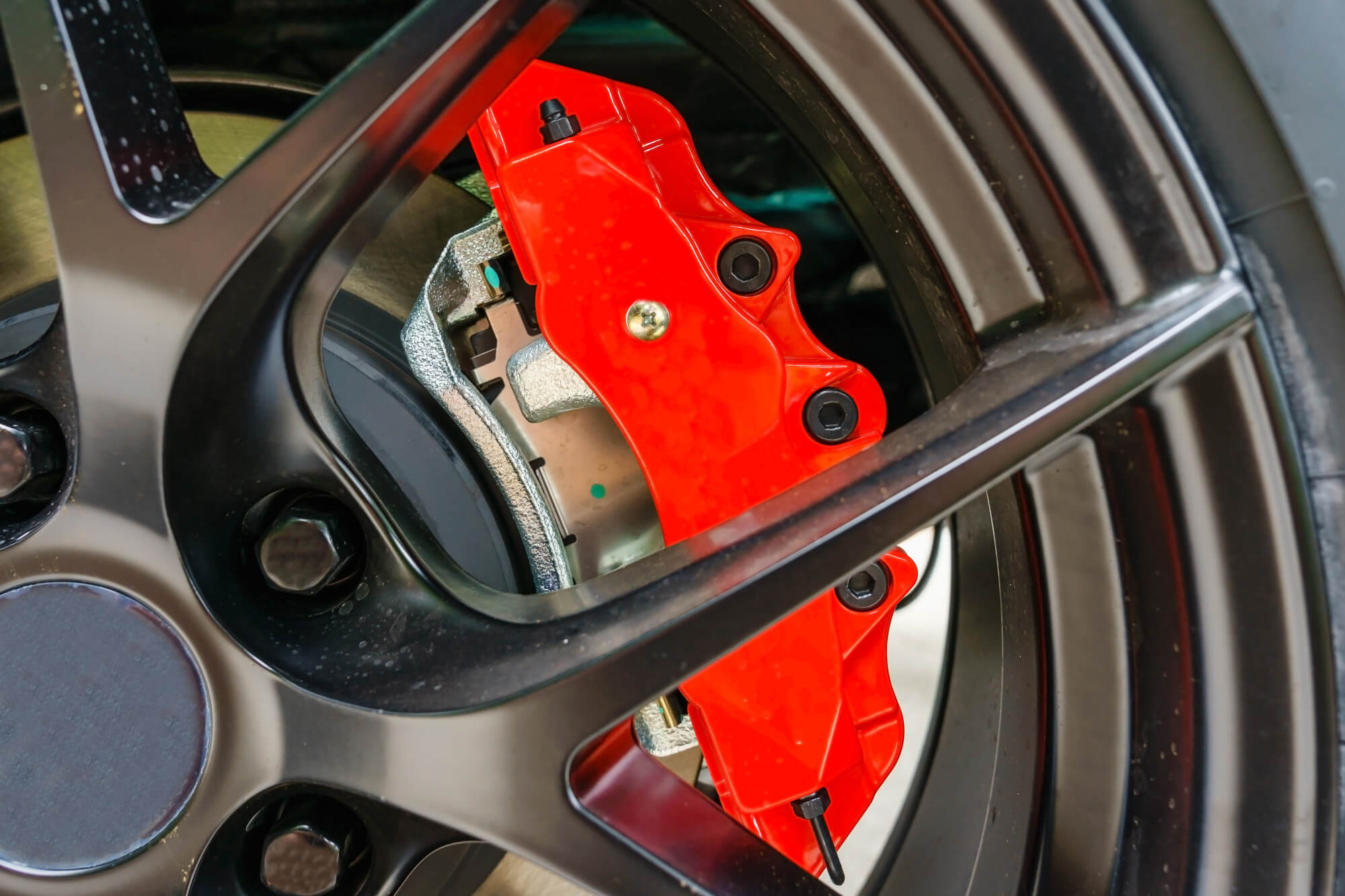
The caliper is what pushes the brake pad against the rotor. If it sticks, the pad stays in contact with the rotor even when you’re not braking. This causes uneven wear, heat buildup, and noise.
Signs of a sticking caliper include:
- Car pulling to one side when braking
- Burning smell after driving
- One wheel feeling hotter than the others
- Squealing that doesn’t stop
Sticking calipers need professional attention. If left alone, they can cause serious damage to your braking system.
Also Read:
When to Get It Checked
Some squeaks are harmless. Others are warning signs you shouldn’t ignore. Here’s a quick checklist to help you decide if it’s time to visit a shop:
- The squeak happens every time you brake
- The noise has turned into a grinding sound
- Your brake pedal feels soft or spongy
- The car pulls to one side when stopping
- You see a brake warning light on your dashboard
If any of these apply, don’t wait. Brakes are one of the most important safety systems in your car. Driving with worn or damaged brakes puts you, your passengers, and everyone else on the road at risk.
Why A1 Auto Repair Shop Brooklyn Is the Right Choice
At A1 Auto Repair Shop Brooklyn, we’ve been helping drivers figure out brake problems for years. We don’t guess. We inspect, explain, and fix things the right way.
When you bring your car in for brake repair in Brooklyn, we check the pads, rotors, calipers, and hardware. We tell you exactly what’s going on and give you options. No pressure. No unnecessary upsells. Just honest work from people who care about keeping you safe.
Your brakes aren’t something to take chances with. That squeak might seem small now. But ignoring it could mean a much bigger repair later. Or worse, a situation where your brakes don’t work when you need them most.
You depend on your car every day. Your family rides in that car. You need to know it will stop when you press the pedal.
Stop guessing. Stop hoping the noise goes away on its own. Call A1 Auto Repair Shop Brooklyn today for trusted brake repair in Brooklyn. Let’s get those brakes quiet and keep you safe on the road.

